Free shipping over $60 · 30-day returns · Dispatched within 24 hours

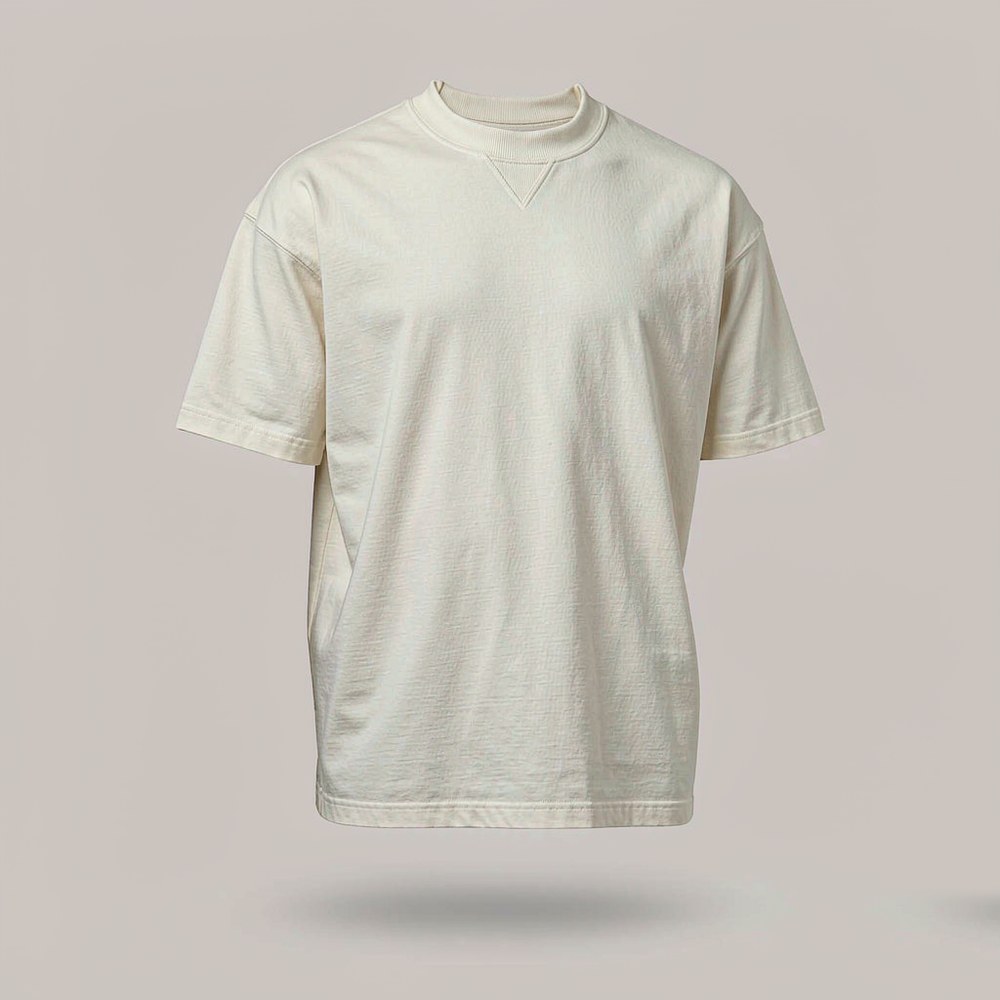
Why 260gsm Matters More Than Any Logo
A gym tee is judged in month six, not on the first wear. Fabric weight is the number that decides whether it still looks like a tee by then.

Grams per square metre is the least glamorous specification in apparel and the one that
predicts how a garment will look after a year. A 140gsm jersey and a 260gsm jersey can share a cut, a
colour and a price tag, and behave nothing alike.
What the number actually means
Cut one square metre of fabric and weigh it. 180gsm is a standard cotton tee. 260gsm is nearly 45%
heavier per square metre — the fabric is denser, the yarn is thicker, and it hangs instead of clinging.
Three things weight changes
- Drape. A heavy knit falls straight from the shoulder. A light one follows the body,
which is flattering on some frames and not on others. - Opacity. Below about 150gsm, a white tee becomes transparent the moment you sweat.
At 260gsm it does not. - Shape retention. Necklines stretch because the collar ribbing and the shoulder seam
carry the garment’s weight. More weight per square metre means less distortion per wash — provided the
ribbing is substantial, which is why we use a wide double rib on the IronCore.
What it costs you
Dry time. A 260gsm cotton tee holds water and takes hours to dry. If you train twice a day, that is a
real constraint. This is why performance tees sit lower on the scale: 130–155gsm dries in twenty minutes
and can go back in a gym bag without becoming a problem.
How to check a tee in the shop
Hold it up to a light. Pinch the fabric between two fingers and let go — a dense knit springs back, a
cheap one stays creased. Look at the collar from the side: if the ribbing is thin and the seam is single
stitched, the neckline is the first thing that will fail.
None of this shows in a product photo. It shows in month six, which is when most people decide whether
a brand is worth buying from again.